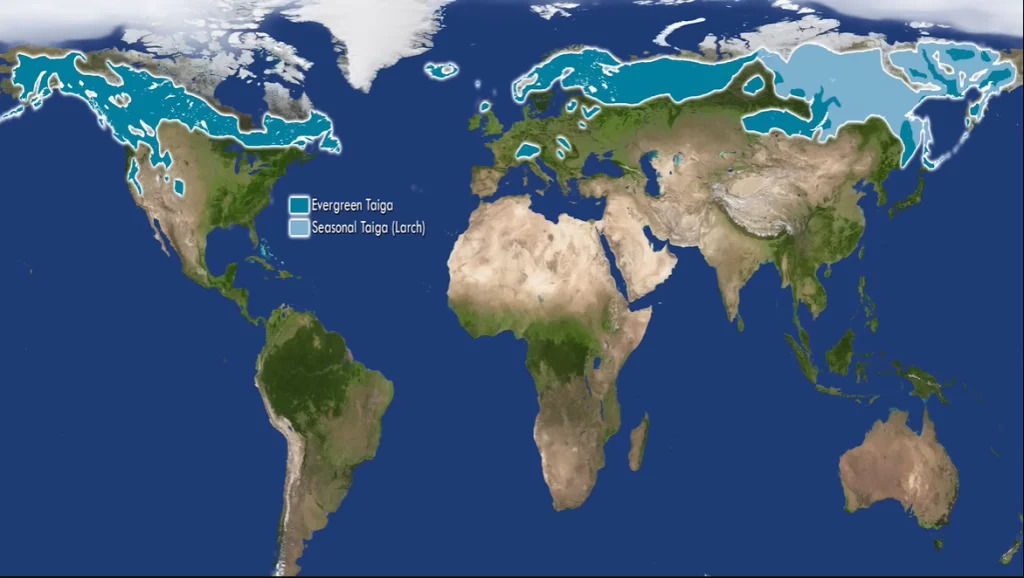
Biomes in Yellowstone National Park
Yellowstone National Park is located in the northwestern United States and is widely recognized as one of the most ecologically
Yellowstone National Park is located in the northwestern United States and is widely recognized as one of the most ecologically
Omnivores in Yellowstone National Park include animals that eat both plant and animal matter. Their diets vary by species and
Carnivores in Yellowstone National Park play an important role in the park’s food webs, from large predators such as gray
The Mississippi River is essential to American farming and trade, connecting the agricultural heartland of the United States with domestic
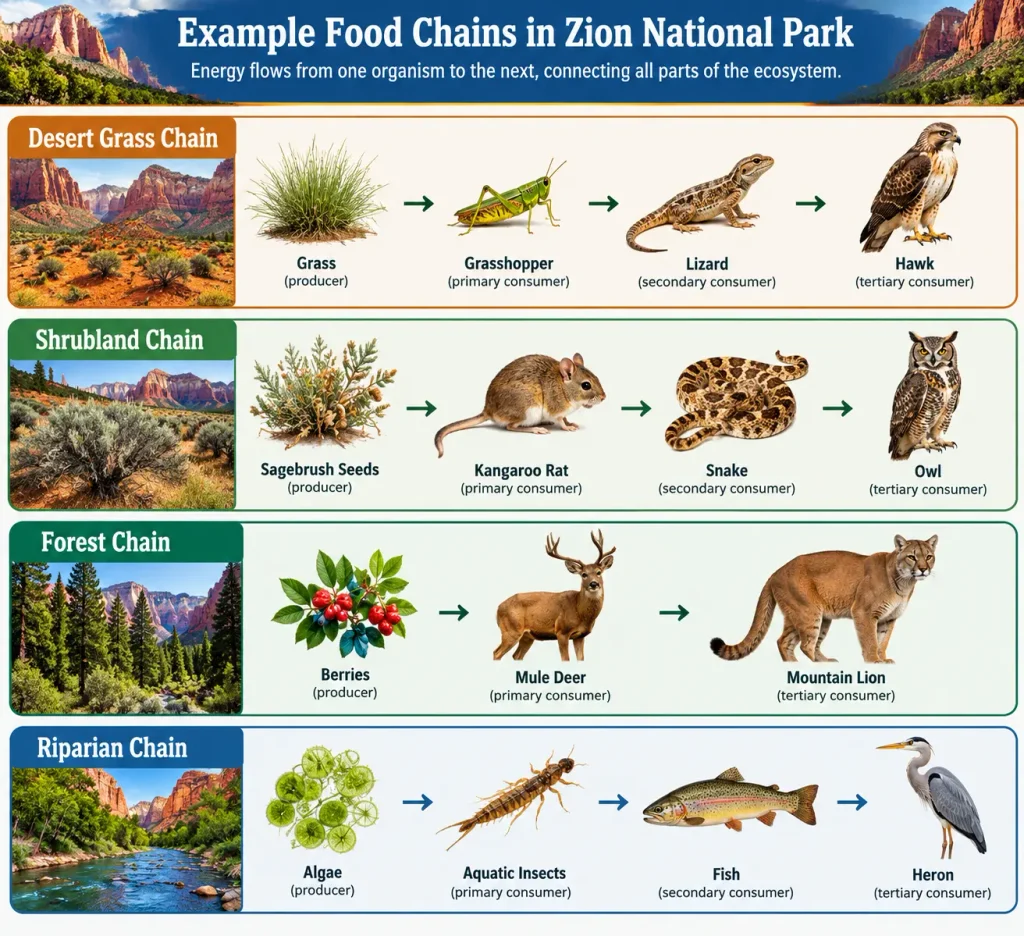
The food web of Zion National Park connects the plants, animals, and decomposers that sustain life across southwestern Utah’s diverse
Abiotic factors in Yellowstone National Park are the nonliving physical and chemical components of the environment that influence the park’s
Biotic factors in Yellowstone National Park include the living organisms that shape its forests, grasslands, rivers, wetlands, and geothermal habitats.
Yellowstone National Park is often celebrated for its dramatic landscapes, iconic wildlife, and geothermal wonders. Wolves, bison, geysers, and hot
Tertiary consumers in Yellowstone National Park occupy higher levels of the food web by feeding on secondary consumers. Depending on
Secondary consumers in Yellowstone National Park play an important role in the park’s food web by feeding on primary consumers
In Yellowstone National Park, primary consumers connect the park’s rich plant life to the wider food web. These animals feed
Producers in Yellowstone National Park form the foundation of the park’s food web by converting sunlight into chemical energy through