
Secondary Consumers in Joshua Tree National Park
Joshua Tree National Park is home to a fascinating network of predators that help keep its fragile desert ecosystem in
Joshua Tree National Park is home to a fascinating network of predators that help keep its fragile desert ecosystem in
The Joshua Tree National Park food web is a complex network of plants, animals, and decomposers that keeps one of
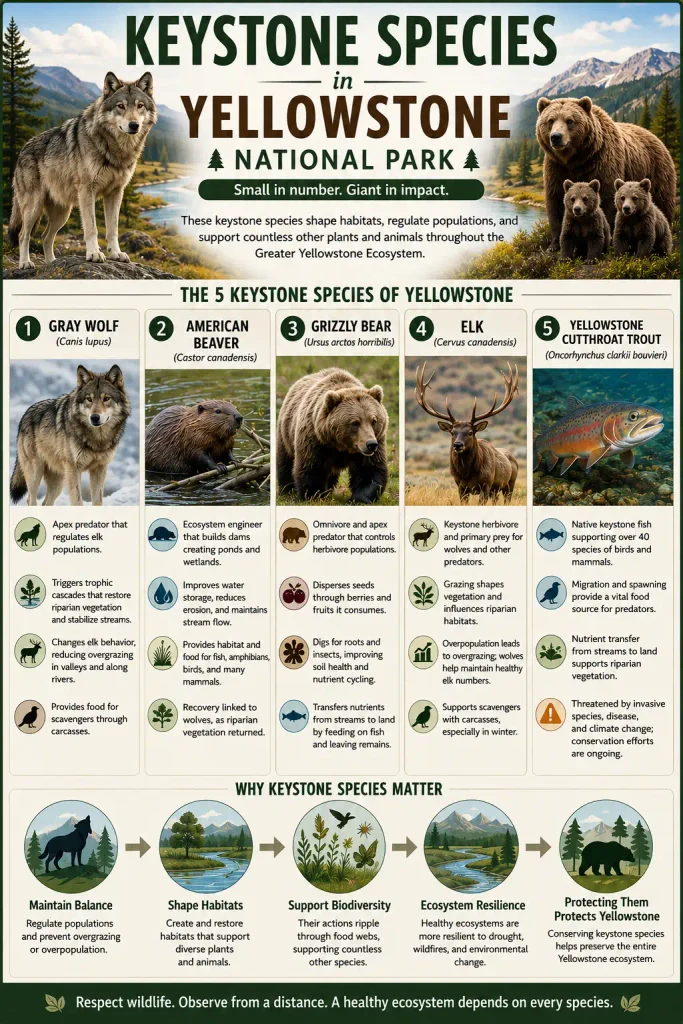
Yellowstone National Park is one of the world’s best examples of how keystone species maintain the health and balance of
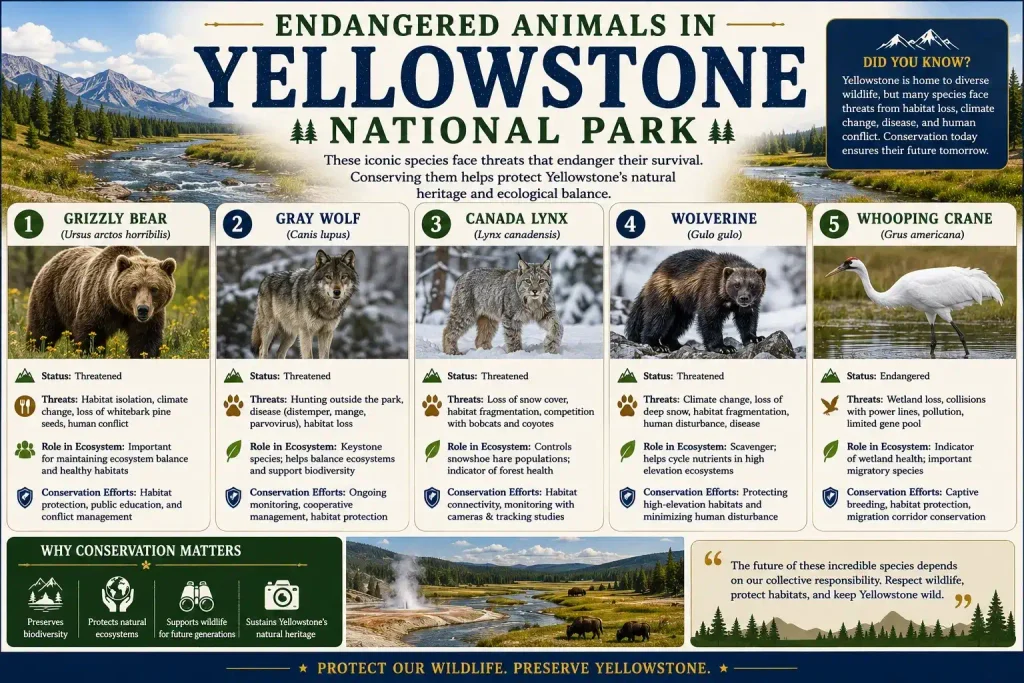
Yellowstone National Park is renowned for its diverse wildlife, yet several of its iconic species face threats that have earned
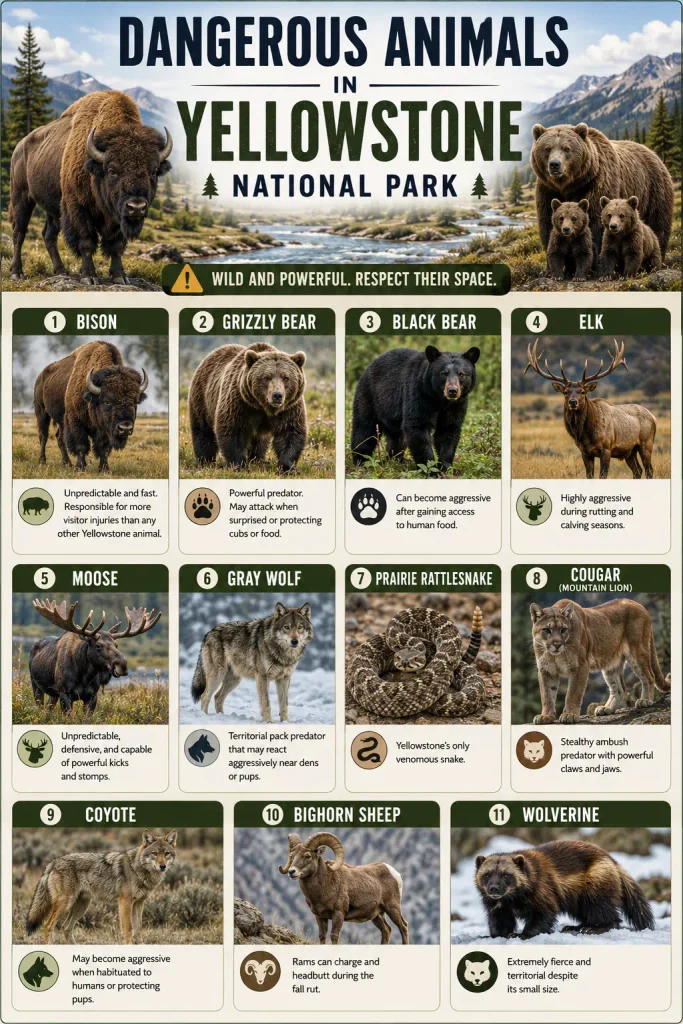
Yellowstone National Park is one of the last large, nearly intact temperate ecosystems on Earth, and its wildlife is a
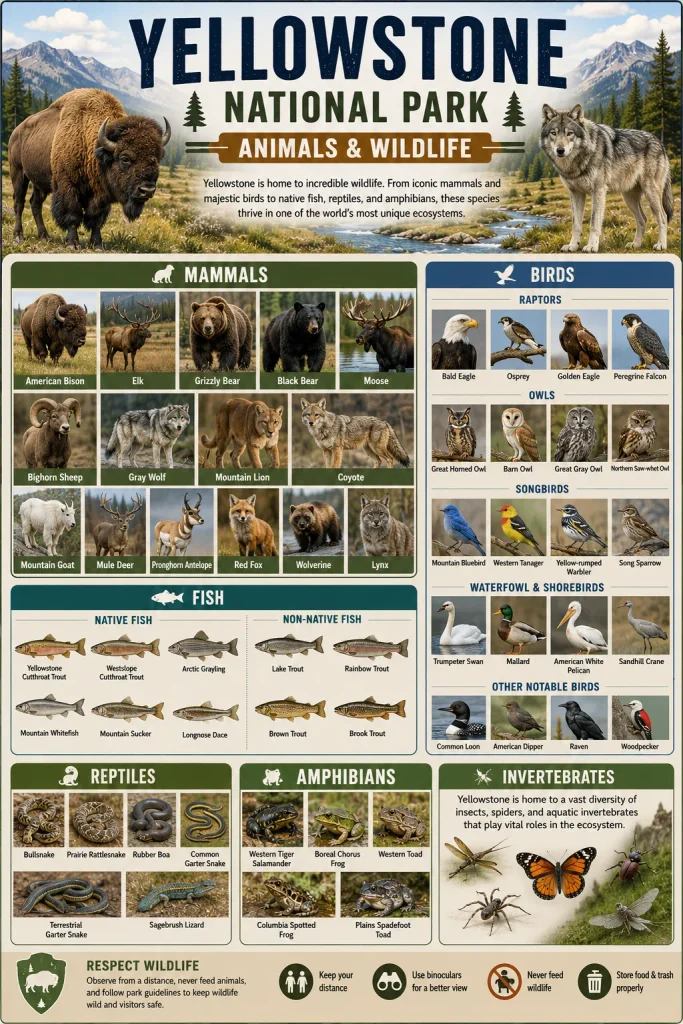
Yellowstone National Park is one of the most remarkable wildlife destinations in North America, offering a rare glimpse into ecosystems
Yellowstone National Park is home to some of the most spectacular canyon landscapes in North America. Carved over thousands of
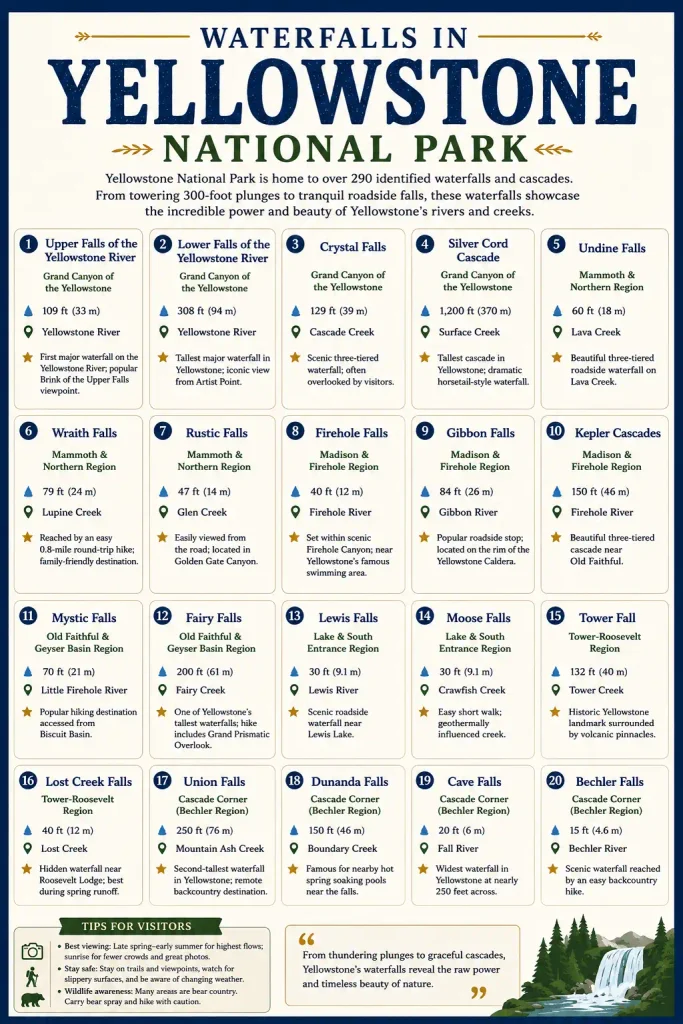
Yellowstone National Park is home to over 290 identified waterfalls and cascades. Formed by the region’s dynamic geological history and
Yellowstone National Park is home to more than 600 lakes and ponds, covering approximately 107,000 surface acres and accounting for
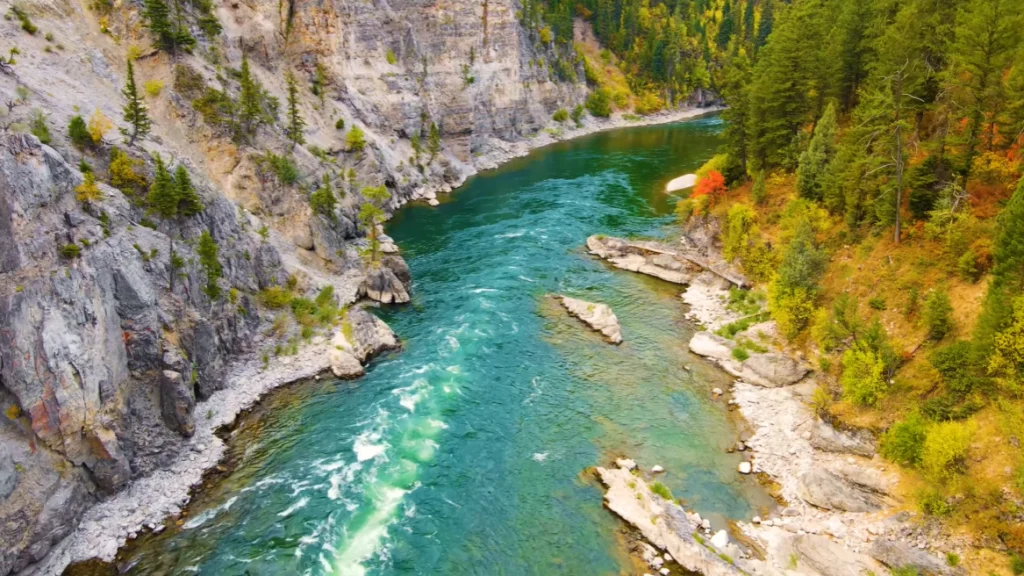
Yellowstone National Park is a major headwater region in the western United States, giving rise to hundreds of rivers and
Red Wing, Minnesota, has a long-standing connection with the Mississippi River, which has helped shape the city’s economy and commercial
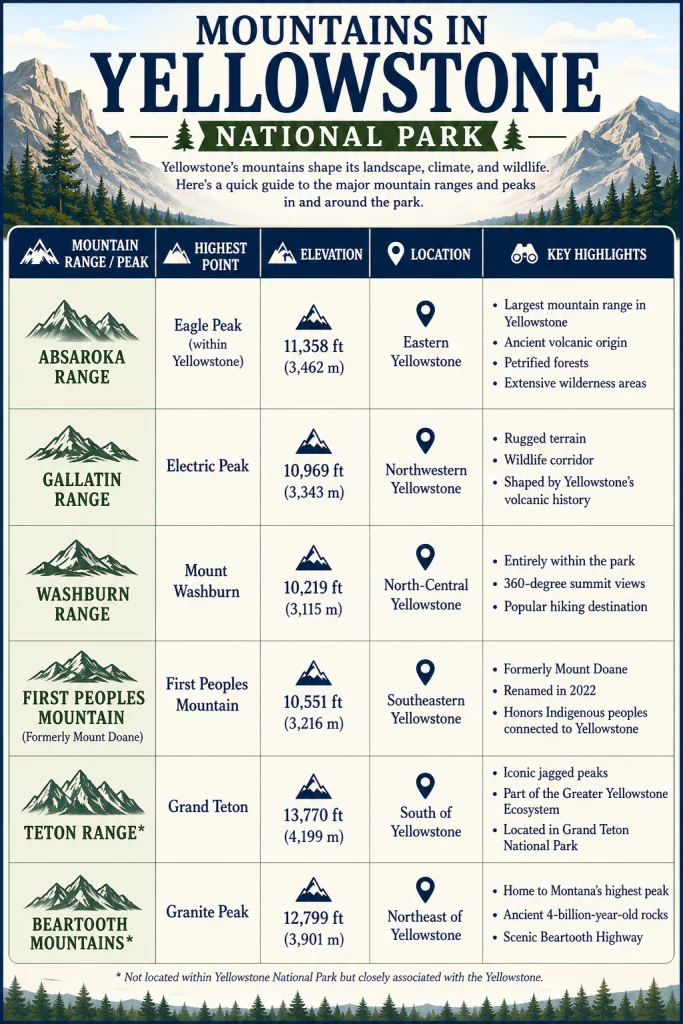
While Yellowstone National Park is best known for its geysers and hot springs, its mountains are just as important to