Tide pools are among the most fascinating natural features of Acadia National Park, offering visitors a chance to explore small marine ecosystems along the rugged coastline. These shallow pools form when the tide recedes and seawater becomes trapped in natural depressions and crevices among the coastal rocks.
The granite cliffs, hidden coves, and rocky beaches of Mount Desert Island provide an ideal setting for discovering these unique intertidal habitats. As the ocean retreats, it reveals a constantly changing coastal environment shaped by the movement of tides, exposure to air, and the rhythms of marine life. Tide pooling offers visitors a closer look at this remarkable part of Acadia’s coastal ecosystem.
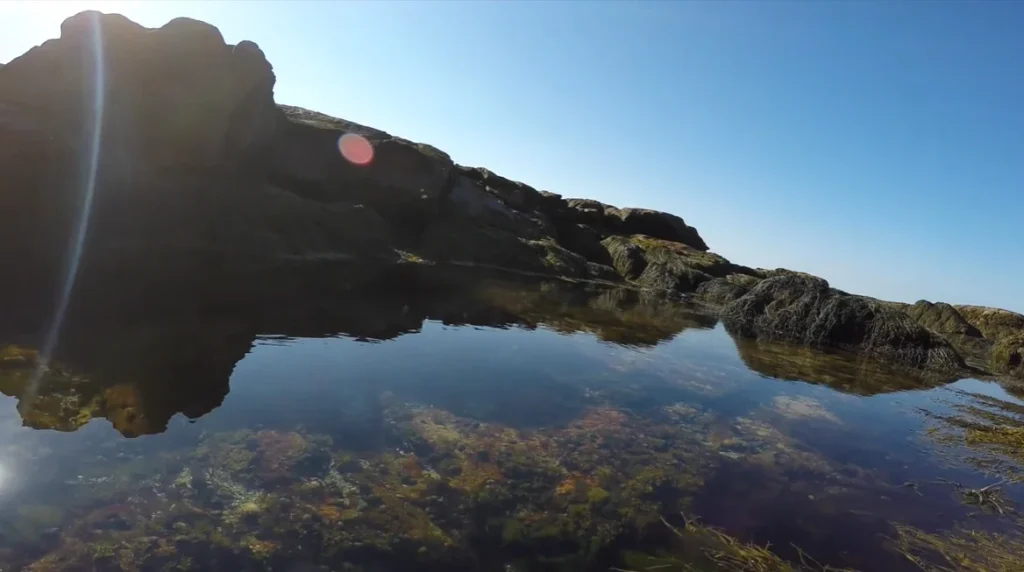
Table of Contents
What Are Tide Pools and How Do They Form?
Tide pools are small pockets of seawater that form in natural depressions, cracks, and crevices along rocky coastlines. They are part of the intertidal zone—the coastal area between the high-tide and low-tide marks that is alternately covered by seawater and exposed to air. As the ocean water recedes during low tide, some seawater remains trapped in these rocky basins, creating temporary marine habitats.
The size and depth of tide pools vary considerably. Some are shallow depressions containing only a few inches of water, while others are deeper pools that retain seawater even when the surrounding shoreline is exposed. Waves may bring fresh seawater into these pools, while sunlight, evaporation, and changing weather conditions can alter their temperature, salinity, and oxygen levels. These constantly changing conditions make tide pools challenging environments for marine organisms.
The intertidal zone is commonly divided into different sections according to how often they are covered by seawater. The high intertidal zone is submerged mainly during high tides and remains exposed to air for longer periods. The middle intertidal zone is alternately covered and uncovered as the tide rises and falls. The low intertidal zone stays underwater most of the time and is exposed only during particularly low tides. Each zone supports organisms adapted to its particular conditions, including differences in moisture, sunlight, wave action, and exposure to air.
In Acadia National Park, tide pools occur along rocky coastal areas, particularly around Mount Desert Island and the Schoodic Peninsula. The park’s tides rise and fall by approximately 8 to 12 feet twice a day, exposing sections of the rocky shoreline and revealing these small marine habitats. What appears to be an ordinary rocky surface at high tide can become a collection of water-filled pools when the ocean retreats.
Where to Find Tide Pools in Acadia National Park
Acadia National Park has several coastal locations where visitors can explore tide pools and observe marine life in its natural habitat. The best opportunities are found along rocky shorelines that become exposed as the ocean water recedes. Ship Harbor and Wonderland on Mount Desert Island are two popular places for tide pooling, while Bar Island and the Schoodic Peninsula offer additional opportunities to explore the park’s intertidal environments.
1. Ship Harbor Nature Trail: Located near the Seawall area on the western side of Mount Desert Island, Ship Harbor provides one of Acadia’s accessible tide-pooling experiences. The easy, 1.3-mile round-trip trail follows a figure-eight route through coastal forest before reaching a rocky shoreline. At low tide, visitors can look for barnacles, marine snails, colorful algae, and occasionally green sea urchins and small sea anemones. The coastal rocks and seaweed can be slippery, so sturdy footwear is important.
2. Wonderland Trail: Wonderland is another excellent place to explore tide pools along Acadia’s western coastline. This relatively flat, 1.4-mile round-trip trail passes through a coastal forest before reaching a rocky shore. During low tide, the exposed pools provide opportunities to spot barnacles, marine snails, rockweed, camouflaged crabs, and green sponges. Take time to observe the pools carefully, as some of the smaller creatures can be difficult to notice.
3. Bar Island: Located near downtown Bar Harbor, Bar Island is accessible by a natural gravel land bridge that emerges as the tide goes out. The crossing is approximately half a mile long and provides opportunities to observe marine life along the rocky shoreline. Look for periwinkle snails, sea stars, barnacles, seaweed, and Jonah crabs among the rocks. The land bridge is exposed only from about 1.5 hours before to 1.5 hours after low tide, so visitors must check the local tide chart and return before the incoming water covers the crossing.
4. Schoodic Peninsula: The Schoodic Peninsula, the mainland section of Acadia National Park, also offers opportunities for tide pooling along its rugged granite coastline. Its rocky shores and coastal habitats provide places to observe marine life as the tide recedes. The peninsula is generally quieter than the more frequently visited areas of Mount Desert Island, making it an appealing destination for visitors interested in exploring a less crowded part of the park.
Marine Life in Acadia’s Tide Pools
Acadia National Park’s tide pools support a variety of marine organisms, including mollusks, crustaceans, echinoderms, sea anemones, and algae. These small habitats are part of the intertidal zone, where marine life must adapt to changing water levels, exposure to air, wave action, and fluctuations in temperature. Each species occupies a particular place within the tide pool environment, from the water-filled depressions to the rocks and seaweed surrounding them. Species vary with depth, sunlight, wave exposure, and tidal conditions.
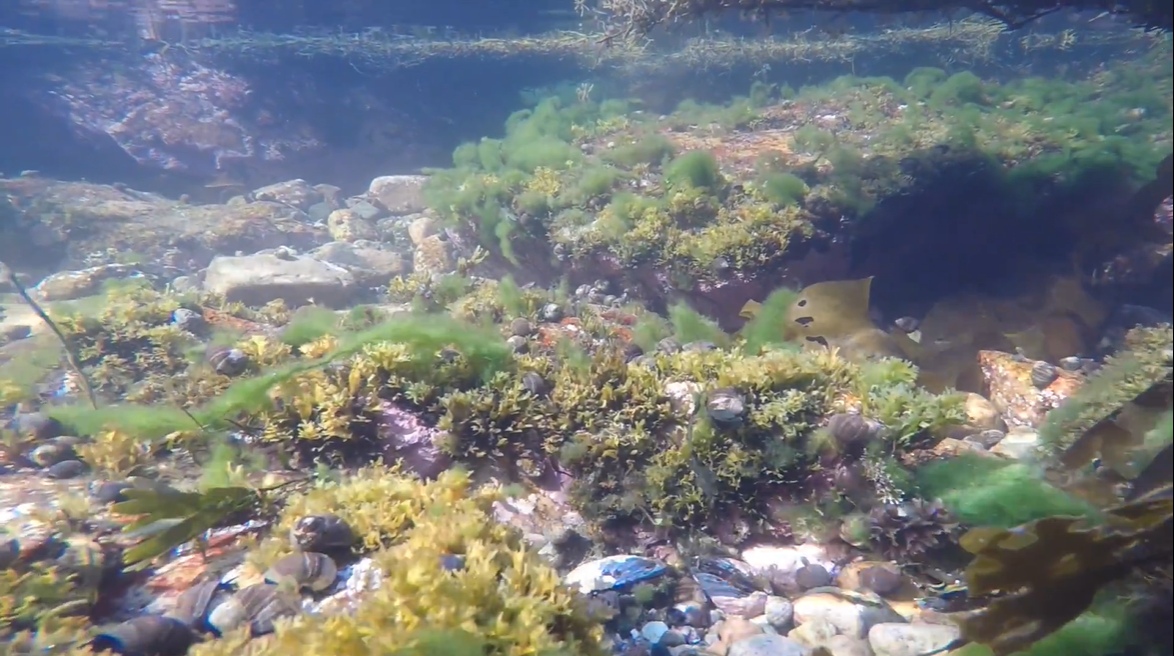
1. Mussels and Barnacles: Blue mussels and barnacles are commonly found attached to rocks around Acadia’s tide pools. Mussels cluster together on hard surfaces, securing themselves with strong, thread-like structures called byssal threads. When covered by seawater, they filter microscopic food particles from the water. Barnacles attach permanently to rocks and other hard surfaces, including areas around tide pools. When submerged, they extend feathery appendages to capture food from the surrounding water. Both organisms can withstand periods of exposure when the tide recedes.
2. Sea Stars (Starfish): Sea stars can sometimes be found in Acadia’s deeper tide pools, clinging to submerged rocks or moving slowly across the pool floor. The Northern sea star (Asterias rubens) uses hundreds of tiny tube feet to move and hold onto surfaces. It is a predator that feeds on mussels, clams, and other shell-bearing animals. Sea stars use their tube feet to grip prey and pull open shells before feeding.
3. Green Crabs: European green crabs (Carcinus maenas) are invasive crustaceans found along Maine’s coast, including Acadia’s coastal habitats. In tide pools, they often hide beneath rocks, among seaweed, or in narrow crevices to avoid predators and remain protected from exposure. These active crabs feed on small mollusks, other invertebrates, and organic material. Their ability to tolerate changing coastal conditions helps them survive in the intertidal environment.
4. Periwinkles and Whelks: Marine snails are among the small animals visitors may notice around Acadia’s tide pools. Common periwinkles cling to rocks and seaweed, often gathering near the edges of pools where moisture remains during low tide. They graze on algae using a specialized feeding structure called a radula. Dog whelks are predatory snails that may be found on rocky surfaces near tide pools, where they feed on barnacles and mussels by drilling or weakening their shells.
5. Sea Anemones: Sea anemones are soft-bodied marine animals that resemble underwater flowers. In Acadia’s tide pools, small sea anemones may occasionally be spotted attached to submerged rocks and sheltered crevices. Their tentacles contain stinging cells that help capture small prey, including tiny crustaceans and other invertebrates. When exposed to air or disturbed, some anemones contract their bodies and tentacles to reduce water loss.
6. Hermit Crabs: Hermit crabs can be found moving across the bottoms of tide pools and among the rocks and seaweed along Acadia’s shoreline. They protect their soft abdomens by occupying empty snail shells, changing to larger shells as they grow. In tide pools, they search for small food particles, algae, and organic material while using rocks and crevices as shelter.
7. Sea Urchins: Green sea urchins may be found in deeper tide pools and submerged rocky areas along Acadia’s coast. Their rounded bodies are covered with movable spines that provide protection from predators. They use specialized mouthparts to scrape algae from rocks and other hard surfaces. Their presence contributes to the balance of algae within rocky intertidal habitats.
8. Rockweed and Other Marine Algae: Various types of seaweed grow on the rocks surrounding Acadia’s tide pools and provide important habitat for marine animals. Rockweed (Ascophyllum nodosum), a common brown alga along Maine’s rocky coast, often covers exposed rocks and remains moist when the tide recedes. Other marine algae also grow on intertidal rocks, adding food, shelter, and attachment surfaces for snails, crabs, and other small marine animals.
9. Sea Cucumbers: Sea cucumbers are found in Acadia’s rocky tide-pool habitats, particularly in deeper, water-filled pools and lower intertidal areas that remain submerged for longer periods. These soft-bodied marine animals move slowly along the rocky bottom, feeding on tiny organic particles in the sediment. Their presence adds to the diversity of marine life found in Acadia’s tide pools.
Understanding the Tides in Acadia National Park
Tides play an important role in shaping Acadia National Park’s rocky coastline and creating opportunities for tide pooling. As ocean water rises and falls, it alternately covers and exposes the intertidal zone, revealing rocky depressions filled with seawater. These exposed areas provide visitors with an opportunity to observe marine organisms that normally remain underwater.
Acadia experiences two high tides and two low tides during a typical day. The timing of these tides shifts forward by approximately 50 minutes every 24 hours, so the low tide does not occur at the same time each day. The tidal range also varies throughout the month. At Bar Harbor, the average difference between high and low water is approximately 10.56 feet (3.22 meters), although the actual range changes with lunar cycles and local conditions.
Low tide is the most suitable time to explore Acadia’s tide pools because the receding water exposes rocky areas that remain submerged during high tide. According to the National Park Service, the tide-pooling window generally extends from about 1.5 hours before low tide to 1.5 hours after it. Arriving before low tide gives visitors time to explore the exposed shoreline and observe marine life before the water begins to return.
However, the incoming tide can cover exposed rocks and tide pools surprisingly quickly. Visitors should keep track of the rising water, maintain a safe distance from the ocean, and avoid exploring isolated rocks or areas that could become surrounded by water. Waves can also reach the shoreline even during low tide, so checking local surf conditions is important.
Because tide times vary by location, visitors should consult the appropriate tide chart before heading out. Acadia National Park provides tide-chart information for Bar Island, Wonderland and Ship Harbor, and the Schoodic Peninsula. Checking the correct chart helps visitors plan their exploration around local low-tide conditions.
Best Time to Explore Tide Pools in Acadia
Tide pools in Acadia National Park can be explored during spring, summer, and fall, when visitors can access many of the park’s rocky coastal areas. Each season offers a different experience, but the most important factor when planning a tide-pooling visit is the timing of low tide. As the ocean recedes, it exposes rocky depressions and shallow pools that remain underwater during high tide.
Spring is a quieter time to explore Acadia’s tide pools, particularly along the western coastline of Mount Desert Island. The weather can be cool, and ocean temperatures remain cold, but the receding tide reveals marine habitats along the rocky shore. Visitors should dress in layers and check trail and coastal access conditions before heading out.
Summer generally offers more comfortable conditions for spending time along the coast, although the ocean remains surprisingly cold. The average summer ocean temperature in Acadia is approximately 55–60°F (13–16°C). Popular tide-pooling locations may also attract more visitors during this season, so arriving early can provide a quieter experience.
Fall offers another opportunity to explore Acadia’s tide pools, with cooler weather and fewer visitors as the busy summer season ends. The rocky shoreline remains an interesting place to observe intertidal life, provided weather and sea conditions are suitable. Visitors should bring warm clothing and pay attention to changing coastal conditions.
Regardless of the season, plan your visit around the local low-tide schedule. Morning low tides can provide softer natural light for photography and a quieter atmosphere, but the actual low-tide time should determine your visit rather than the time of day. Always check the tide chart for your chosen location before setting out.
How to Explore Tide Pools Responsibly
Tide pooling in Acadia National Park offers an opportunity to observe marine life in its natural habitat, but these small ecosystems are fragile and easily disturbed. Even a careless step or attempt to handle a marine animal can damage organisms that are adapted to specific conditions. Following responsible tide-pooling practices helps protect these coastal habitats and ensures that future visitors can enjoy them.
Avoid Stepping into Tide Pools: Do not wade or sit in tide pools. Stay on stable rocks and carefully choose where you place your feet. Many small marine organisms live on submerged surfaces and among rocky crevices, where they can be easily damaged by footsteps.
Do Not Touch or Remove Marine Life: Observe marine animals without disturbing them. Never force sea stars, crabs, anemones, mussels, barnacles, or other organisms off rocks or their natural surfaces. If an animal is accidentally displaced, gently return it to the place where you found it. Collecting marine life, shells, rocks, or other natural materials is prohibited in Acadia National Park.
Be Careful Around Rocks and Seaweed: Wet rocks, particularly dark rocks covered with seaweed, can be extremely slippery. Wear sturdy, closed-toe outdoor shoes and move slowly across uneven surfaces. Avoid stepping directly on seaweed or areas where marine organisms are attached.
Watch the Incoming Tide and Ocean Waves: Tide pools are located along the edge of the ocean, where water levels can change quickly. Start exploring before low tide and leave as the tide begins to rise. Maintain a safe distance from the open water, watch incoming waves, and never explore isolated rocky areas that could become surrounded by seawater.
Keep Children Close and Minimize Disturbance: Children should remain within arm’s reach of adults while exploring rocky shorelines. Encourage them to observe marine animals carefully without touching, chasing, or disturbing them. Patience and close observation are often the best ways to discover small creatures hiding among rocks and seaweed.
Protect the Water from Chemicals: Before entering the intertidal area, wash off sunscreen, hand sanitizer, and insect repellent to minimize the risk of introducing harmful chemicals into tide pools. These small habitats contain organisms that can be sensitive to changes in water quality.
By following these simple practices, visitors can enjoy Acadia’s tide pools while helping preserve the marine life and coastal environments that make them special. Taking photographs and observing animals without disturbing them is the best way to experience these remarkable natural habitats.